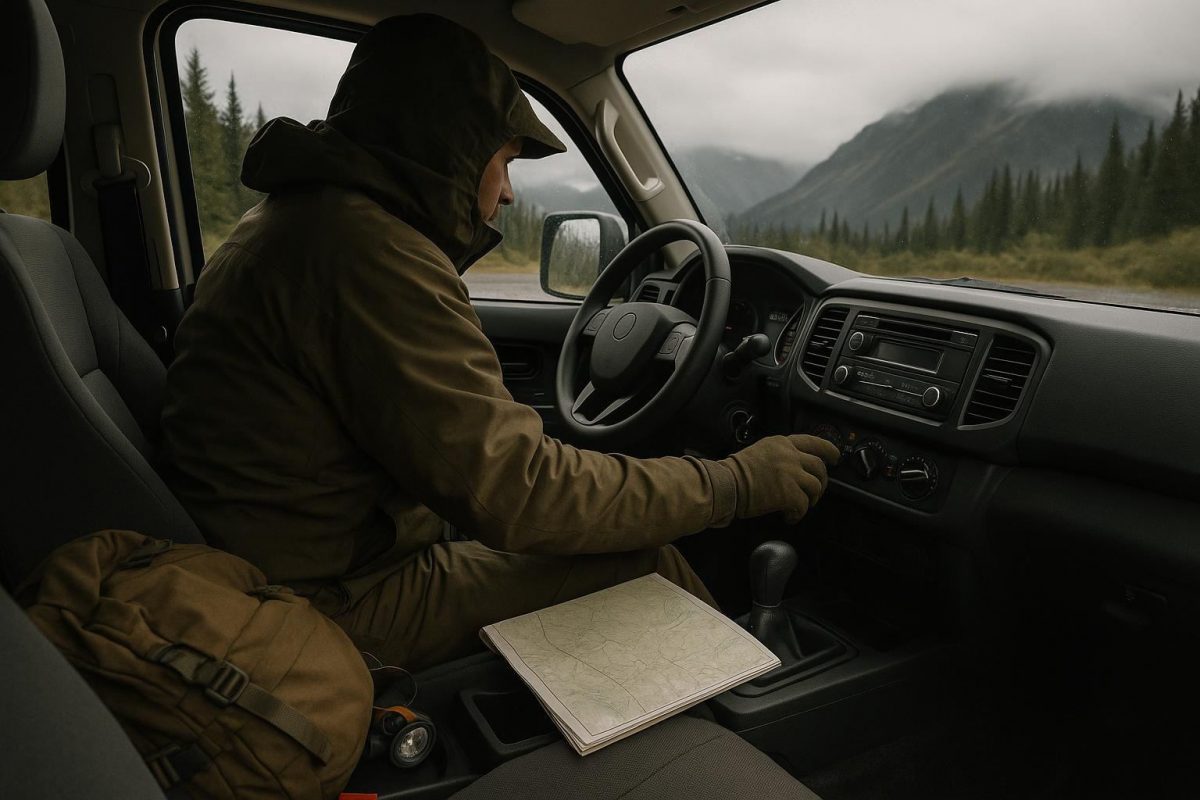
Before heading out for a public‑land hunt think carefully if the conditions support the plan. A forecast that seems fine at home can turn into trails, rising water, poor visibility or too much pressure on wildlife at the trailhead. Good hunting preparation is about choosing gear that matches weather, terrain, access and the animals seasonal behavior than about carrying more equipment. Decisions taken before sunrise will set the tone for safety, legality, animal welfare and the overall quality of the experience long before a chance appears.
Start with the ground, not the gear
Ask what the terrain will need. A short distance on a map can hide grades, thick cover, loose rock, mud or a stream crossing that changes after rain. Look at maps, satellite images, access notes and posted restrictions. Find routes instead of assuming the most direct line is best.
Terrain affects every part of a hunting setup. Footwear should match the surface and moisture clothing should allow movement without overheating and a pack should carry only what supports the day. If the route includes a walk back after dark put a reliable light, extra layers, water and a basic first‑aid kit before specialized accessories.
Terrain also decides how quietly and safely you can move. Dense vegetation can catch straps while open slopes may expose movement and give little shelter from wind. Choose equipment that cuts noise and snagging but do not let concealment override visibility, safe handling or required hunter‑orange rules.
Let the forecast change the plan
Weather is more than a number. Wind direction, temperature shifts, precipitation, cloud cover and daylight can change animal movement and your ability to judge distance or footing. Check a forecast near departure then compare it with the terrain instead of treating it as a description of the whole area.
A cold wet day may need an outer layer and a way to keep spare clothing dry. Warm conditions can make a pack and tight layers a liability. Wind can cool exposed skin, move scent, blur sound and make a stable position uncomfortable. Fog rain or fading light may limit the situations in which an ethical shot is possible.
Set a stopping point. If visibility no longer allows confident identification or fatigue makes a safe return doubtful leave. A filled tag is never a reason to continue when conditions make judgment unreliable.
Test the plan against the animal and the access
The basic scenario is a hunter with one morning a permit and a route chosen from a map. Before packing ask what sign is actually present whether the season and method match the quarry and whether recent disturbance has changed where animals use the habitat.
Avoid building the plan around one assumption. Recent rain may make tracks easier to read. Also shift movement patterns. A dry spell may concentrate animals near water while making travel noisier. Nearby roads, private boundaries, grazing activity, timber work or recreation can affect access and wildlife behavior.
Confirm boundaries before entering. Digital mapping is useful. It should not be the only safeguard when property lines or public access are complicated. Carry a map or another dependable reference and treat signs, gates and agency notices as meaningful information instead of obstacles to work around.
Use a short pre‑departure check
A concise check is more useful than a wish list. Before the vehicle leaves, confirm:
– hunting season, hunting permit, hunting weapon hunting tagging, hunting transport and hunting reporting requirements from the responsible wildlife agency.
– Legal access, boundary information, closures, fire restrictions and area‑specific rules.
– Forecast, daylight, wind, precipitation and a realistic turnaround time.
– Route, alternate exit, communication plan, water, food, layers, light and first‑aid supplies.
– Equipment condition including footwear, pack straps, optics, batteries and required safety clothing.
– A plan for identifying the target taking a lawful and responsible shot and recovering an animal without entering unsafe terrain.
Regulations can change during a season. Differ between nearby units. Read official guidance before each trip especially when using a different method entering a new area or transporting game across boundaries. Advice from a season a friend or an old guide should not replace current rules.
Leave the habitat better than the plan found it
Preparation includes deciding how your presence will affect the place. Use established access where possible leave gates as found control food and waste and avoid damaging vegetation around blinds, trails or water sources. Sensitive habitat is not a backdrop for a personal objective.
Hunting ethics extend beyond the harvest. Take a shot when the target and backstop are clear conditions support accurate identification and you have a credible recovery plan. If an animal is wounded follow up carefully and lawfully than abandoning the search because weather has worsened or the day is nearly over. Know your jurisdictions reporting expectations when a report is required.
Conservation is also judgment. Respect closures, sanctuary areas, bag limits and restrictions designed to protect wildlife or habitat. Keep observations specific when sharing information but avoid encouraging pressure, on a fragile area. You may return with no harvest. Still have made a sound decision: the route, conditions and responsibilities were assessed honestly.
The best hunting setup is provisional. It changes when the trail becomes hazardous the wind shifts a boundary is uncertain or visibility no longer supports a decision. Reading those conditions before beginning does not remove uncertainty; it gives you a way to respond to it.