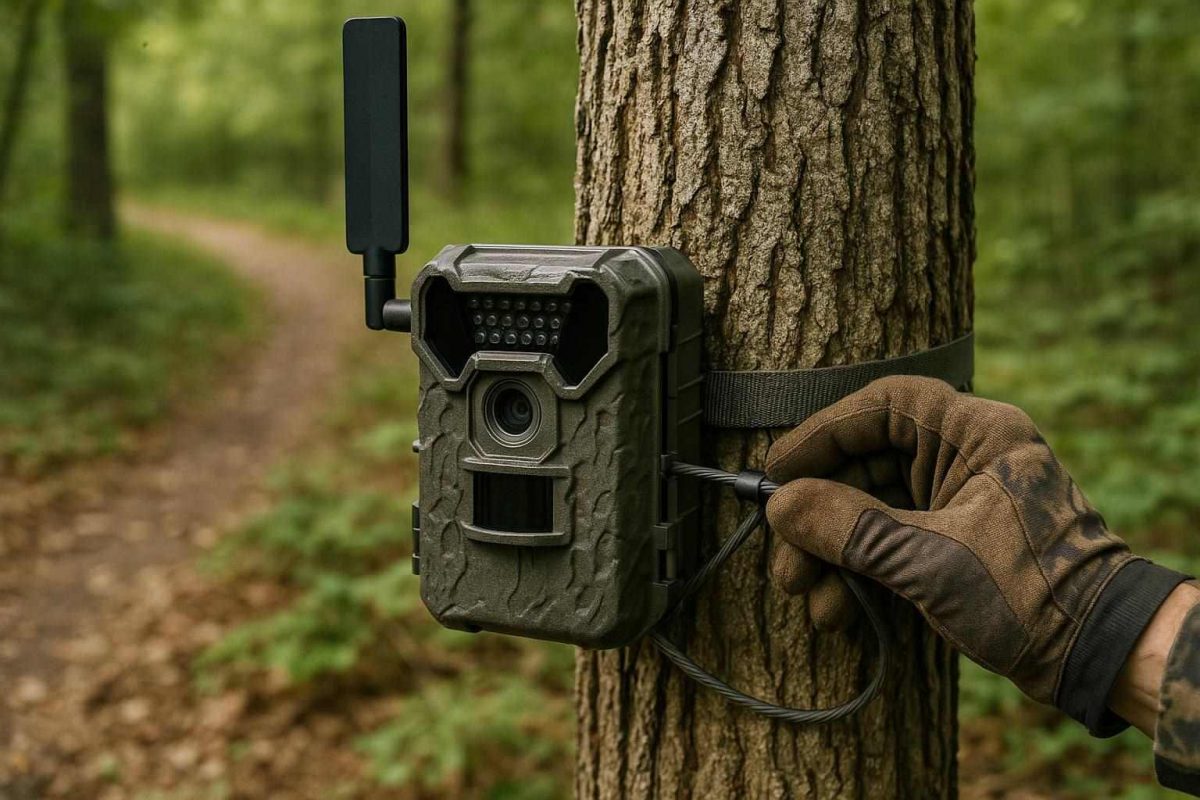
Essential Considerations Before Setting Up a Cellular Trail Camera on Public Land
When thinking about using a trail camera on public land it's important to ask yourself whether the camera truly meets a scouting need or just adds more notifications. These cameras can reduce how you have to go into the field and help you understand animal movement.. They also bring up issues like legal rules, possible harm to the environment and privacy concerns. So it's best to have a purpose in mind instead of choosing the camera just for convenience.
Familiarize Yourself with the Regulations
Before you even think about putting a trail camera on land you must check the rules that apply. Rules can be different depending on the type of land whether the camera is cellular or regular and even the time of year. Some areas limit signal use have laws about bait place rules on how close the camera can be to roads or have special rules for tracking certain animals.
Always get the information from the land management office or wildlife agency. Don't just trust online posts or what a store clerk tells you. Rules change often. Something that was allowed last year might not be allowed now. Keep notes on your research, including dates and where you got your information. If anything is unclear contact the agency directly for help. Don't assume you know all the rules.
Define a Specific Purpose for the Camera
To make the most of your trail camera you should be clear about what you want to learn. Your goals might include checking how people enter a hunting area watching how animals use a habitat or tracking movements during a specific season. Different purposes need camera spots and different times to leave the camera in place.
Don't set up a camera just because you see a trail with a lot of activity. Many pictures can mean a lot of traffic but not useful data. For example if your goal is to watch access points place your camera where you can see movement but not in areas where animals rest. If you're studying habitat changes choose a spot that gives a view without disturbing nesting areas or feeding zones.
Be clear about how the camera will stay in place. Take it down. Move it once it has given you enough information. Keeping the camera out longer than needed increases the chance of animals becoming aware of it. Leaves behind scent and other signs that can affect animal behavior.
Respect Others Who Use the Land
land is shared by many people. If your camera picks up images of hikers, campers, families or other hunters you could be invading their privacy. Even if it is legal placing a camera where it captures people's movements without their knowledge is not respectful. That kind of setup can make others feel uneasy even if they don't say anything.
Try to aim your camera so it focuses on the area you need to observe. Avoid pointing it toward trails, campsites or rest stops. Don't record faces or identify people. Never use someone 's gear or camp as part of your field of view unless you have permission.
Putting up a sign doesn't fix the problem if your camera is in the place. If your real goal is to monitor an used trail consider whether this is really the best way to get answers. There are scouting methods that are less intrusive and still effective.
Mitigate Habitat Disruption
Every time you go to your camera you risk harming the land. Walking through brush can trample plants, widen paths and leave behind your smell, which can change how animals act. If you visit a spot, like a bird nest or a water source the harm can be greater than any benefit you get from the camera.
Plan your route carefully. Use paths that are already worn and avoid going off trail. Try to minimize your footprint. Choose a time to visit that causes the disruption. Don't go into an area just to adjust the camera angle. Cameras placed near established trails are easier to manage than those hidden deep in the woods.
If you plan to use bait or attractants to get pictures make sure you know the rules. Even if it's allowed, putting bait in one spot can concentrate animals. Increase the risk of disease alter natural behavior or cause fights between animals. In some cases conservation groups encourage hunters to avoid bait. Always think about the picture.
Ensure Setup and Secure Your Equipment
Cellular cameras are convenient but they don't replace good planning. Before you go out check the signal strength in the area. Pick a mounting method that won't hurt the tree. Make sure you have a way to get back to the camera without causing problems.
Use. Other security measures to keep your camera safe.. Know that nothing is completely secure. Make sure your camera is clearly marked so it can be identified. Keep your account details private. Don't post locations or live images online as this could attract attention and put your gear or even the wildlife in danger.
Safety should always come before taking a photo. Let someone know where you're going. Bring a charged phone or communication tool. Don't handle your camera in situations. If reaching the camera is risky wait until conditions are safer.
Final Checklist
Before you leave the site make sure you've checked every item:
– Confirmed the rules for the area, camera type and hunting season.
– Set a goal and decided how long the camera will stay in place.
– Positioned the camera away from public use areas and sensitive environments.
– Chosen a path to access the camera that causes damage.
– Checked batteries, signal strength, security and account settings before setting it up.
– Made sure no bait or habitat changes were added without proper permission and ethical thought.
In the end the best choice might be not to use a camera all. If the data won't help you make decisions then the cost and risk may not be worth it.. If you do decide to go ahead careful planning and following the rules can turn your camera from a simple device into a real tool, for smart scouting.